Read ·
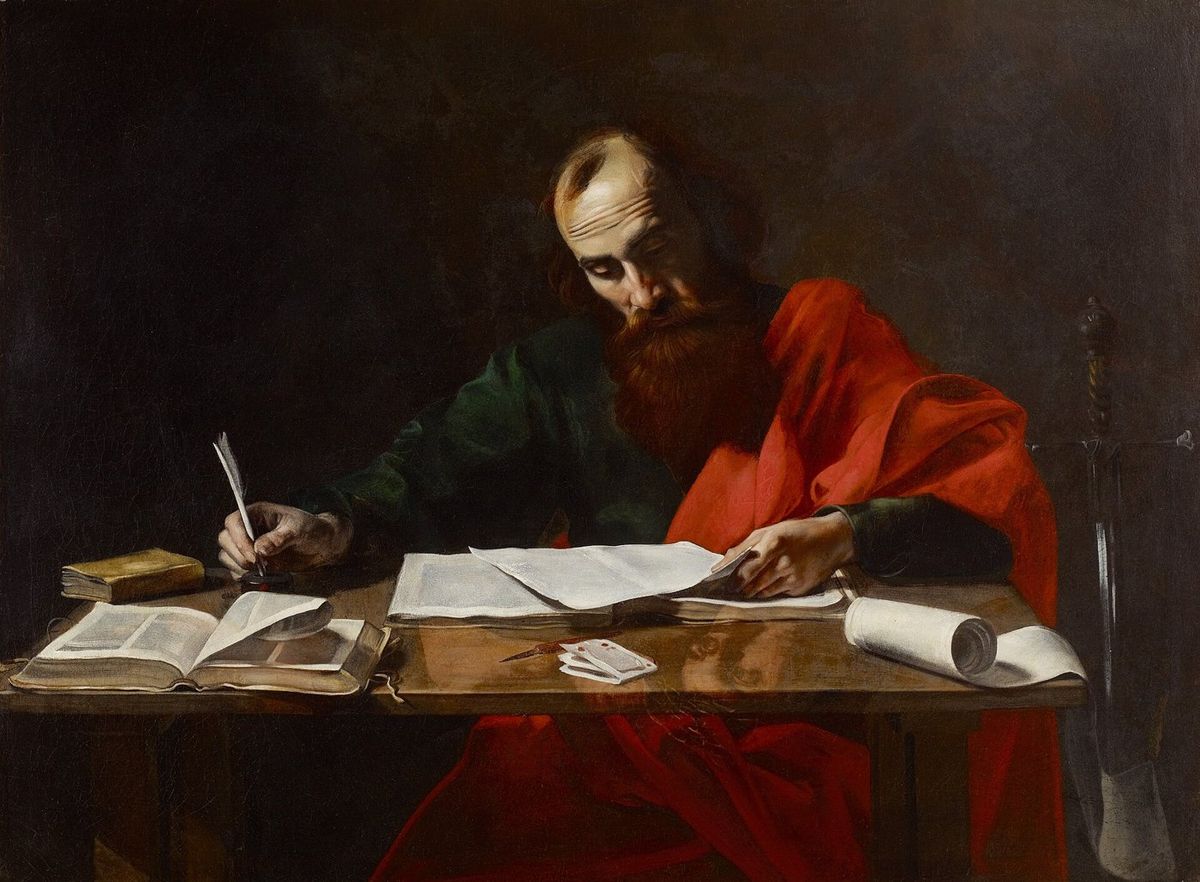
Chrysostom said no one can hate the people he prays for
Paul tells Timothy that prayers should be made for all men, and for kings and everyone in authority. The first Christians who did it were praying for rulers who could have them killed. Here is what early writers saw in 1 Timothy 2:1–2.
by VRSZ Editors · November 4, 2026 · 2 min read
Two short verses
In an election week, these two verses come back around. In the East, Polycarp of Smyrna repeated them in a letter, and John Chrysostom preached on them in Antioch. In the West, Clement of Rome wrote a prayer for rulers, and Tertullian of Carthage cited Paul’s words to the Roman authorities themselves. Here are four places to start.
1 Timothy 2:1 · Supplications, prayers, intercessions... for all men
Chrysostom saw two gains in this command, and the first is a quiet one: “no one can feel hatred towards those for whom he prays.” The second is what the prayer does to the other side. “Think what it was for those who persecuted, scourged, banished, and slaughtered the Christians, to hear that those whom they treated so barbarously offered fervent prayers to God for them.” He also noticed the order of Paul’s words: all men first, then kings, so that nobody could call it flattery.
Tap 1 Timothy 2:1 on VRSZ.
“Without ceasing, for all our emperors we offer prayer.”
Tertullian · Apology 30
1 Timothy 2:2 · For kings, and for all that are in authority
Polycarp, the old bishop of Smyrna, passed the same command on to the church at Philippi and stretched it as far as it would go: “Pray also for kings, and potentates, and princes, and for those that persecute and hate you, and for the enemies of the cross.” In Rome, Clement put it into a prayer that asks God to give rulers “health, peace, concord, stability, that they may exercise the authority given to them without offense,” and to direct their counsel toward what is good.
Tap 1 Timothy 2:2 on VRSZ.
1 Timothy 2:2 · That we may lead a quiet and peaceable life
Tertullian quoted this verse to Roman magistrates who suspected Christians of treason. His answer was a list of what the church actually asked God for: “We pray for life prolonged; for security to the empire; for protection to the imperial house; for brave armies, a faithful senate, a virtuous people, the world at rest.” Then he described Christians praying with their hands stretched out, and turned to the people persecuting them: “the very attitude of a Christian praying is one of preparation for all punishment.”
Tap 1 Timothy 2:2 again on VRSZ.
1 Timothy 2:1 · And giving of thanks
Chrysostom stopped on the last word of the list. Paul asks for thanks as well as requests, and that includes thanks for good things that happen to other people. “For he who is urged to thank God for his neighbor’s good, is also bound to love him, and be kindly disposed towards him.” He warned his hearers against prayers that ask God to strike someone down: “cursing and praying are far apart.”
Tap 1 Timothy 2:1 on VRSZ.
Keep reading
Paul goes straight on to say that God will have all men to be saved. Open VRSZ at 1 Timothy 2:1 and read the whole passage with the commentary beside it.
1 Timothy ii. 2
2For kings, and for all that are in authority; that we may lead a quiet and peaceable life in all godliness and honesty.
Read the commentaries on 1 Timothy 2:2Know someone who would want to read this?
Sources quoted
- John Chrysostom, Homilies on First Timothy 6, trans. Philip Schaff (NPNF, 1st series, vol. 13), newadvent.org/fathers/230606.htm.
- Polycarp of Smyrna, Epistle to the Philippians 12, trans. Alexander Roberts and James Donaldson (ANF, vol. 1), newadvent.org/fathers/0136.htm.
- Clement of Rome, First Epistle to the Corinthians 61, trans. John Keith (ANF, vol. 9), newadvent.org/fathers/1010.htm.
- Tertullian, Apology 30, trans. S. Thelwall (ANF, vol. 3), newadvent.org/fathers/0301.htm.
- 1 Timothy 2:1–4, King James Version.