Read ·
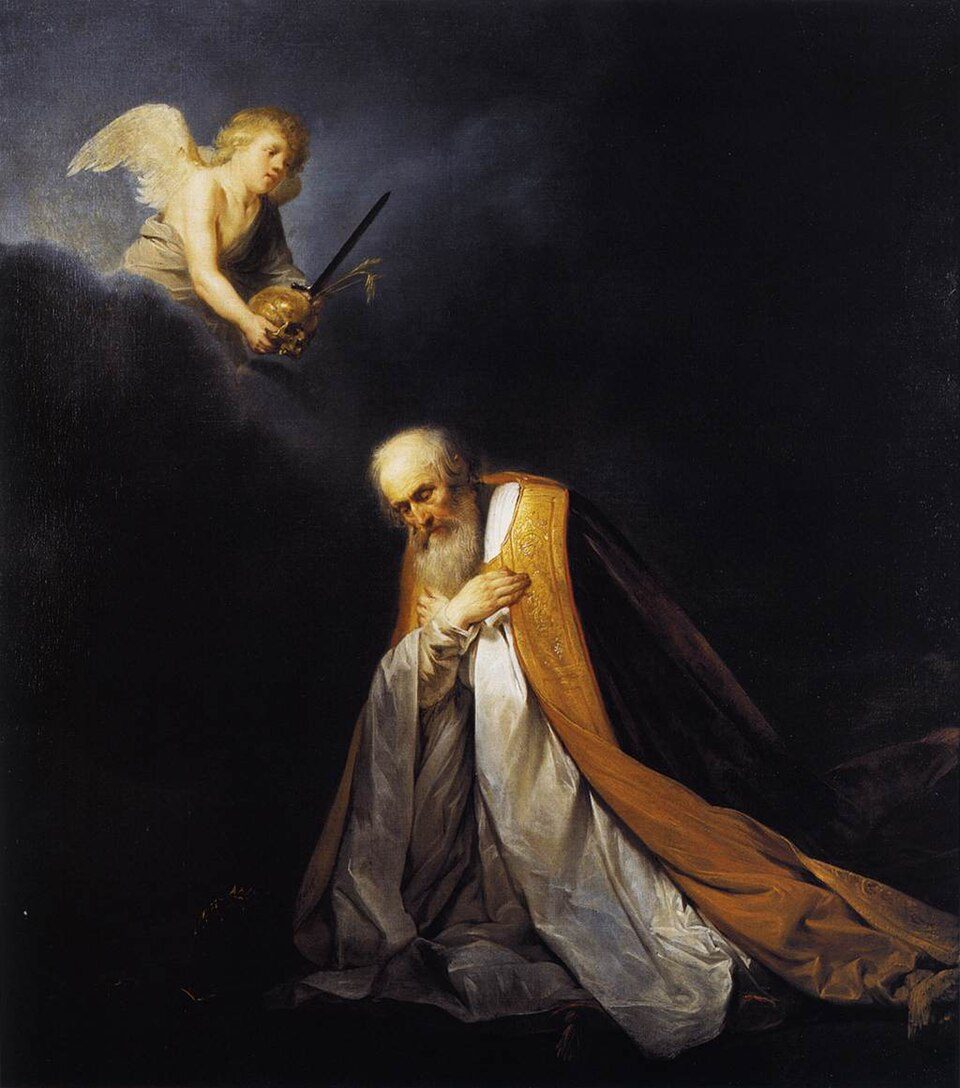
What Does Psalm 51 Mean?
Psalm 51 is the prayer David is said to have prayed after his adultery with Bathsheba and the death of her husband. Early Christians did not skip over it. Augustine explained why the story of a king’s worst moment was read out loud at all.
by VRSZ Editors · November 12, 2026 · 5 min read
Psalm 51 opens with a plea that has been prayed in every century since: “Have mercy upon me, O God.” Its heading ties it to one of the darkest episodes in the Old Testament. King David took another man’s wife, arranged for the husband to die in battle, and was confronted by the prophet Nathan. The meaning of Psalm 51, for early Christian readers, was not just historical. It was a pattern for anyone who has fallen and wants to get back up, and a warning to anyone who thinks a famous sinner gives them permission.
The passage: Psalm 51
“Have mercy upon me, O God, according to thy lovingkindness: according unto the multitude of thy tender mercies blot out my transgressions. Wash me throughly from mine iniquity, and cleanse me from my sin. For I acknowledge my transgressions: and my sin is ever before me... Purge me with hyssop, and I shall be clean: wash me, and I shall be whiter than snow... Create in me a clean heart, O God; and renew a right spirit within me.”
The psalm’s title connects it to 2 Samuel 11–12. In Greek and Latin Bibles it is numbered Psalm 50, so older translations of the Fathers cite it that way.
Clement of Rome: the humble king
One of the earliest Christian uses of Psalm 51 is in the letter from the church in Rome to the church in Corinth, traditionally attributed to Clement and usually dated to the end of the first century. In a chapter titled in the English translation “David as an Example of Humility,” the letter quotes the psalm at length. Its argument is simple. If David, a man after God’s own heart, could pray this way, no one is too important to confess.
Later the letter draws the lesson out. God needs nothing from anyone, it says: “He desires nothing of any one except that confession be made to Him.” Then it quotes the psalm’s own conclusion: “the sacrifice of God is a broken spirit.”
Augustine: why David’s sin is read aloud
Augustine preached a long exposition of this psalm, and he began by facing an awkward fact. Some people heard the story of David and Bathsheba and took it as an excuse. Augustine had no patience for that: “For many men will to fall with David, and will not to rise with David.”
The story was not told to make falling look normal, he said, but to show how to get up. That is why the church kept reading it: “let them hear that have not fallen, lest they fall; let them hear that have fallen, that they may rise.”
He was equally firm with the opposite danger. Someone who has done something terrible may conclude that there is no point trying anymore. Augustine told such a person to “heed the greatness of the wound, but not despair of the majesty of the Physician.” Then he gave the reason: “Sin with despair is certain death.”
Psalm 51 meaning, line by line
Augustine went through the psalm phrase by phrase. On “my sin is ever before me,” he noticed where David puts his sin. He does not hide it behind his back or busy himself with other people’s faults: “my sin is before me, not behind me.” The irony, Augustine says, is that it was behind him when Nathan arrived, until the prophet’s story of a stolen lamb brought it into view.
On “purge me with hyssop,” he turned to the plant itself. “Hyssop we know to be a herb humble but healing.” It clings to rock by its roots, he says, which makes it a picture of a humble person taking hold of Christ, the Rock. He even passed along a bit of ancient medical lore: “Hyssop, they say, is proper for purging the lungs. In the lung is wont to be noted pride.” The lungs, he explains, are where the body swells and breathes, so they make a fitting picture of a puffed-up heart. Humility is the cure.
Rising with David
Clement and Augustine wrote three centuries apart, in Greek and in Latin, but they read Psalm 51 the same way. It is not a story about how great sinners get away with things. It is the prayer of a powerful man who stopped defending himself.
The psalm ends with an offering anyone can bring: “a broken and a contrite heart, O God, thou wilt not despise.” Augustine’s line is the shortest summary of why it matters. Falling with David is easy. The psalm was kept so that people would also learn to rise with him.
Read it for yourself
Each verse of Psalm 51 has its own commentaries on VRSZ. Read David’s prayer from “Have mercy upon me” to “a broken and a contrite heart” with Augustine and other early writers. Tap Psalm 51:10 on VRSZ to start.
Psalm li. 10
10Create in me a clean heart, O God; and renew a right spirit within me.
Read the commentaries on Psalm 51:10Know someone who would want to read this?
Sources quoted
- Augustine of Hippo, Expositions on the Psalms, Psalm 51 (Vulgate 50), trans. J. E. Tweed (NPNF, 1st series, vol. 8), newadvent.org/fathers/1801051.htm.
- Clement of Rome (attributed), First Epistle to the Corinthians 18 and 52, trans. John Keith (ANF vol. 9), newadvent.org/fathers/1010.htm.
- Psalm 51; 2 Samuel 11–12, King James Version.
- Header photo: Pieter de Grebber, King David in Prayer, c. 1635–40. Museum Catharijneconvent, Utrecht. Public domain, via Wikimedia Commons.